
Best Timber for Decking and Outdoor Use
The best wood for outdoor use depends on how often it will get wet and how easily it can dry. Look at where the timber will sit before choosing the species. A deck board exposed to rain, a joist underneath it and a post touching soil all face different conditions.
We saw Irish-grown oak, Douglas fir and hemlock at our mill in Gainstown, Navan. When planning a deck, look at the boards you’ll walk on and the frame that supports them. Each part can need a different timber specification.
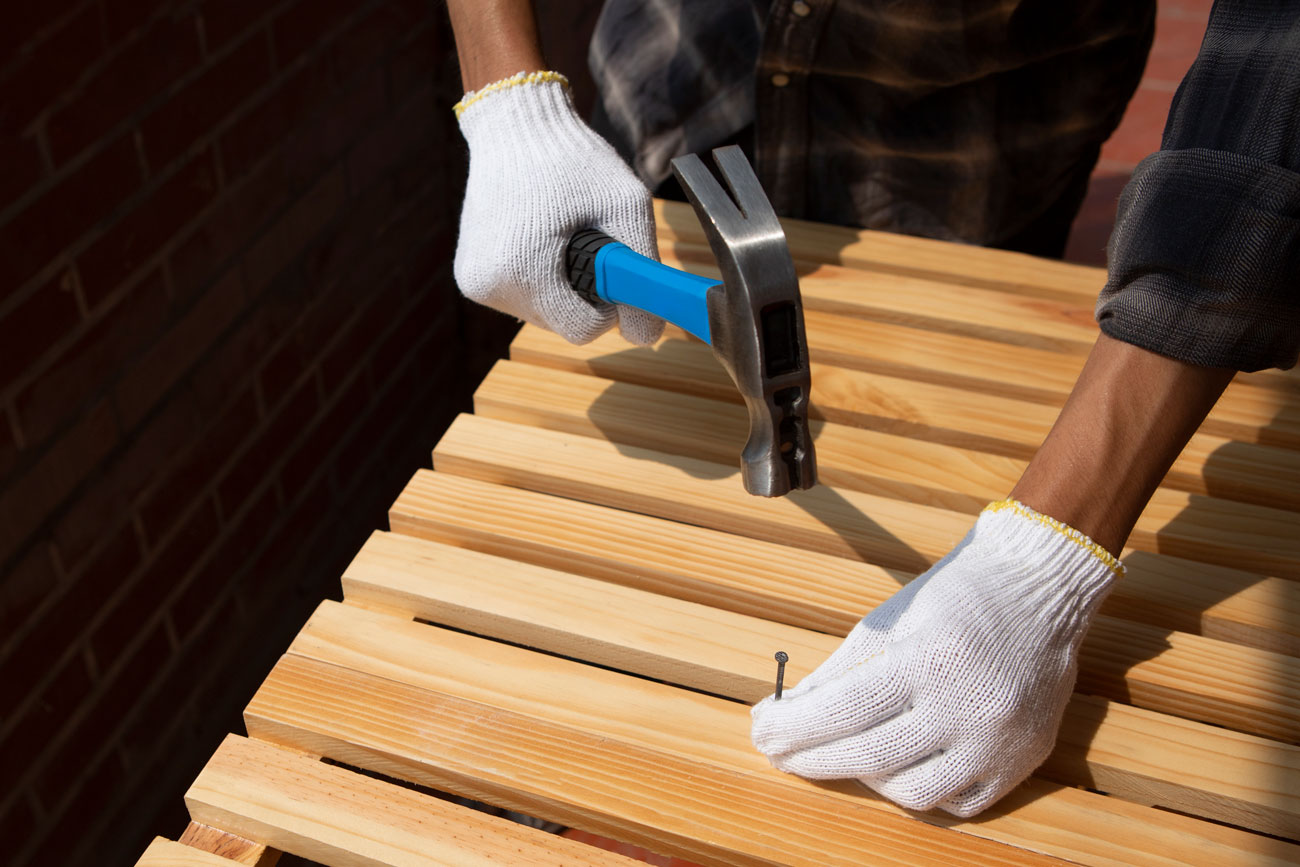
Choosing the Best Timber for Decking
Look at how rainwater will drain from the deck. Gaps between the boards let water through and give the wood room to expand and shrink. Follow the spacing recommended for your boards and allow air to circulate underneath. If the deck is under trees, clear leaves from the gaps so water can still drain.
Use outdoor fixings that suit the timber and any treatment it has received. Oak can react with some metals and leave dark marks around the screws. Check the fixing manufacturer’s guidance for the boards you choose. Browse our boards, cladding and decking for timber options.
Oak, Douglas Fir and Hemlock Decking
If you’re looking for the best hardwood decking for your site, oak is worth considering. Check how much of each board is heartwood, the inner wood of the tree. It generally resists decay better than the outer wood near the bark.
Timber
Oak
Douglas fir
Hemlock
Heartwood resistance to decay
Varies from durable to slightly durable
Moderately to slightly durable
Slightly durable
What to check
Check that the boards suit how wet the deck will get.
Check whether the boards need treatment for the location.
Confirm that the timber has suitable treatment before using it in an exposed position.
Tell your supplier if any part of the deck will stay damp for longer after rain. A deck under a roof can still get wet near its edges. Mark those areas on your sketch so the supplier can see where the boards will be used.
If you cut treated timber to length on site, ask your supplier which preservative to use on the newly exposed ends. Follow the instructions for that product.
Best Wood for Outdoor Beams
For a beam supporting a raised deck, porch or pergola, use the dimensions and strength grade specified for your project. Tell your designer where the beam will sit so they can account for the weather exposure and specify any treatment it needs. See our structural beams page for the details to send with a cutting list.
Include the joists and posts when checking the timber specification. The frame below the deck can stay damp where airflow is limited. For posts that will touch soil, confirm that the timber is suitable for ground contact.
If you’re replacing boards, ask your installer to check the existing joists, posts and fixings before you cover them again. The space between joists needs to suit the new boards. This is worth checking if you’re changing the thickness of the boards or the direction in which you’ll lay them.
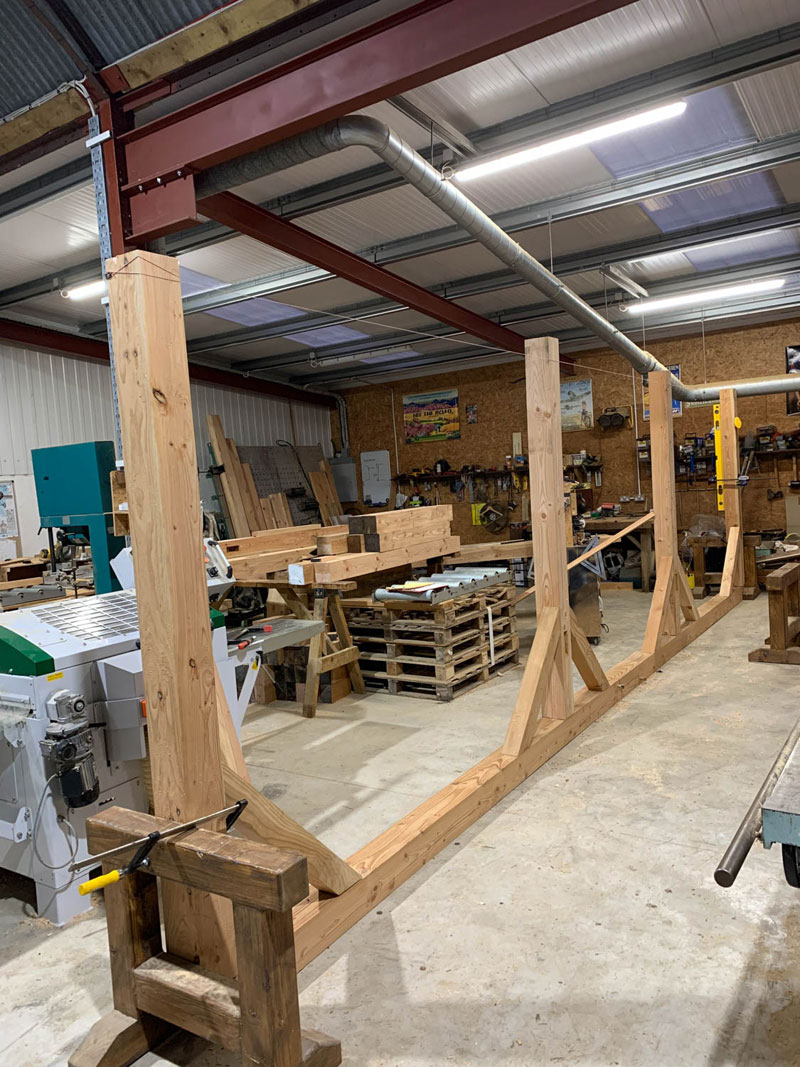
Get a Timber Quote
Send us your preferred species, finished sizes and quantities. List the deck boards separately from the joists, beams and posts. Include any strength grade or treatment your designer has specified and tell us which pieces will touch the ground.
Call us on 046 90 21240 to discuss your cutting list.